




Designing with dahlias – the 5 most important tips and tricks!
Create beautiful flower beds with these opulent, long-blooming flowers
dahlias I only encountered them after a few years of gardening. Like so many others, I was always put off by their lack of winter hardiness and didn't find the brightly colored varieties in nurseries particularly appealing. When I finally tried a pastel-colored variety, I was both thrilled and somewhat shocked. I had planted a huge Dinner Plate dahlia and was stunned for two days by the sheer size of the blooms, stems, and leaves. Then, unfortunately, it fell victim to a torrential downpour. I hadn't supported it, and its oversized flowers were reduced to mush.
Planted alone in a pot, it looked a bit like a bull in a china shop, somehow too much. It then took a few more years before I used dahlias in the garden in such a way that they became part of a larger whole and integrated perfectly. Here are my ultimate tips from 10 years of experience with these opulent beauties:
1. Smaller is better
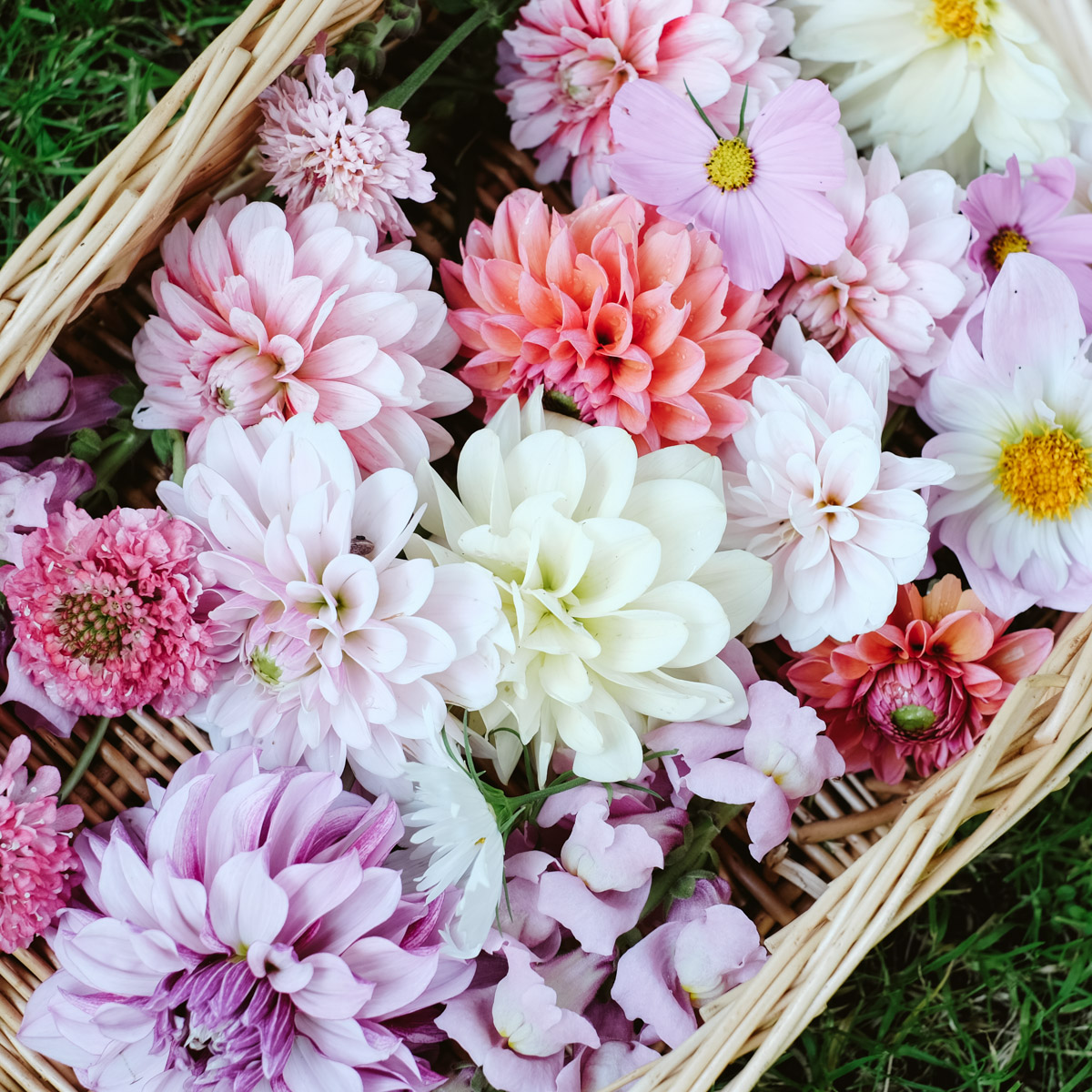
If you've never planted dahlias before, try the smaller blooms first, for example, those of pom-pom dahlias. They are much less susceptible to weather damage and require less staking. Furthermore, they aren't overwhelming and blend in better with the overall design.

2. Three is trumps
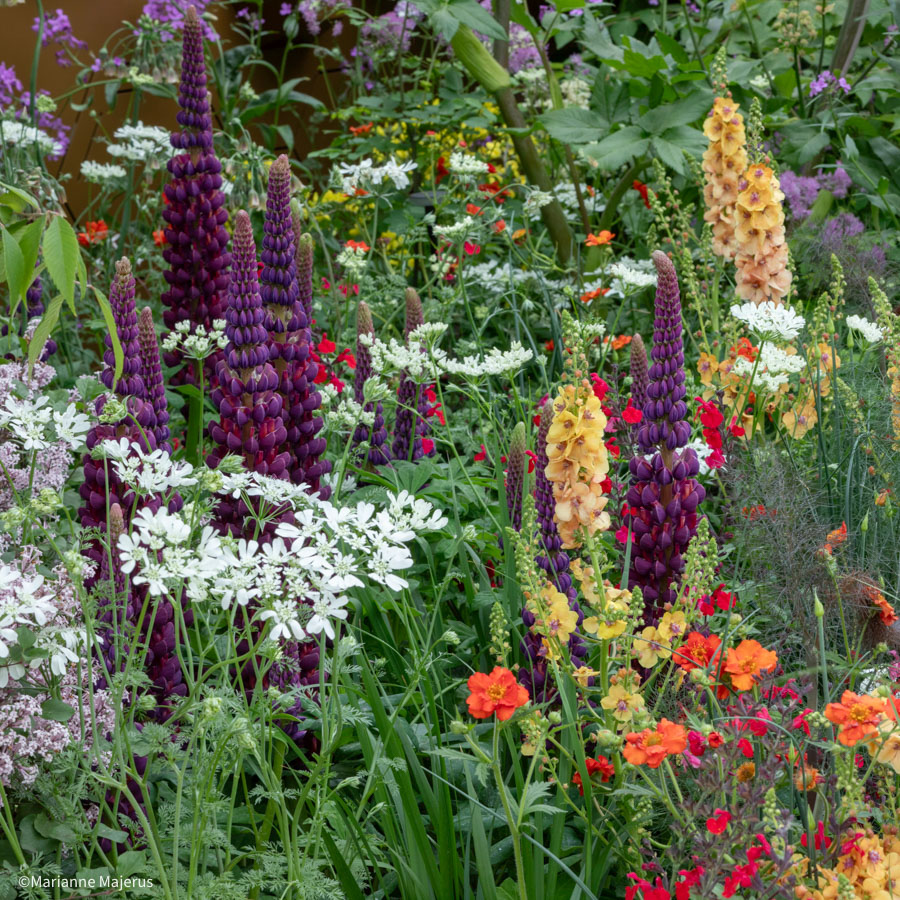
Always plant at least three of the same variety, spaced somewhat apart in the flower bed. Especially with such opulent blooms as those of dahlias, repetition and rhythm are important to create harmony.
3. The best place for dahlias
There are three good places for dahlias in the garden: in containers, in beds with perennials or annuals, or in a dedicated dahlia bed. In containers, they are usually very slug-proof, but also require more care and water. They fill gaps in beds very quickly and effectively (they bloom for up to four months with proper care and pruning!). First, however, it's essential to ensure they aren't shaded by larger plants and have enough space to develop (at least 50 cm in diameter). A dedicated bed is an excellent idea if you have the space. In spring, tulips and daffodils should be in bloom there, and the dahlias can be planted directly after they finish flowering, from mid-May onwards. Place stakes crisscrossing the bed and stretch strings across it at a height of 50 cm. This netting provides the necessary support for the dahlias and will be barely visible afterward. For many dahlia varieties, this is the simplest method.
Newsletter
Register now and download over 200 planning maps for your garden bed design!
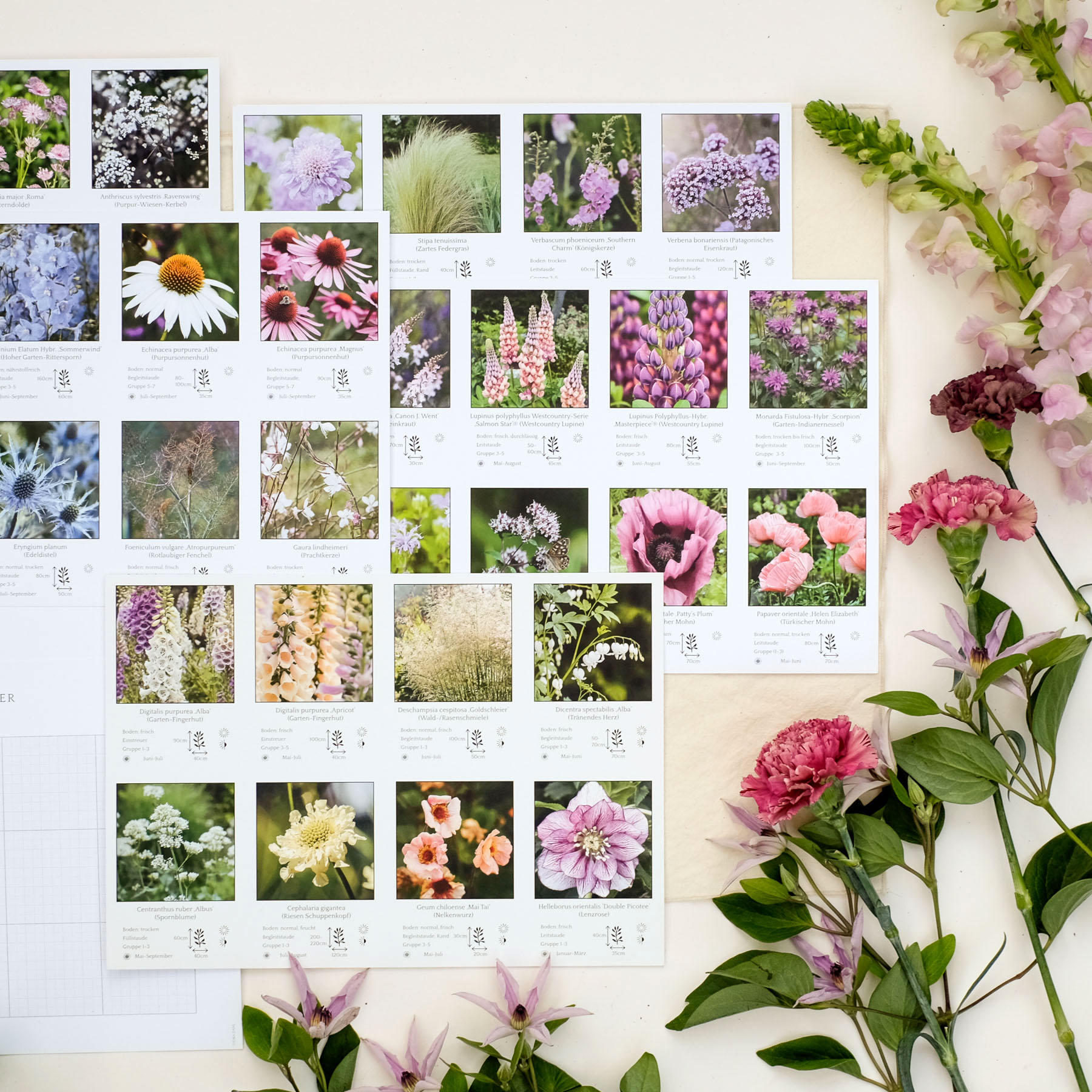
Receive regular helpful gardening tips, special discounts, and be the first to know when our flowers go online this season! Plus, you'll get our digital planning maps. Print them out and easily plan long-blooming, low-maintenance flower beds! Please also check your spam folder for the confirmation link after registering.
4. Less is more
Don't choose too many varieties! For small gardens, three varieties with three tubers of each distributed throughout the beds would be a good idea. In larger gardens, you can certainly plant a few more, but always make sure there's an odd number of plants; this ensures a harmonious appearance.

5. Start indoors for early flowering
Dahlias bloom for months until the first frost if the flowers are regularly deadheaded. If planted in frost-free conditions from mid-May onwards, they usually start blooming in late July/early August. Try starting at least some of your dahlias indoors. It's so worthwhile! Simply plant the dahlia in a pot and place it in a frost-free location. Theoretically, this is possible from March or April. Those one to two months are incredibly rewarding. Dahlia blooms in late May or June make it easy to bridge the gap until the annuals or summer perennials get going.
If you want to learn more about caring for dahlias, click here.